
Is Your Yard Causing Water Damage Inside Your Home?

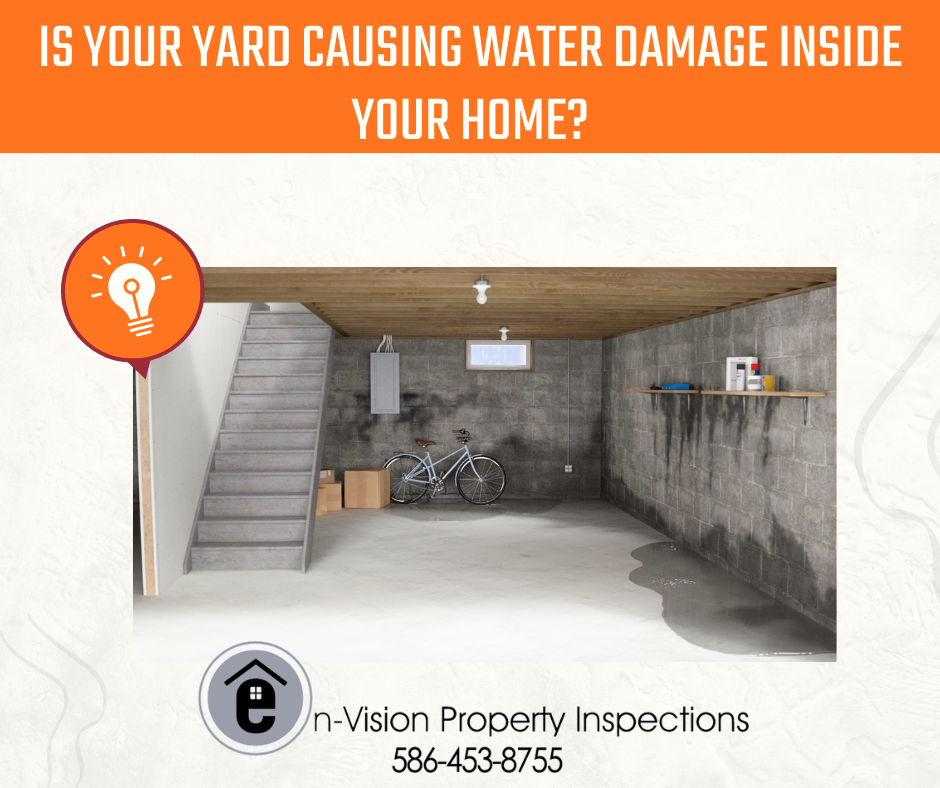
Is Your Yard Causing Water Damage Inside Your Home?
When homeowners notice water in the basement or crawl space, many immediately think the solution is waterproofing the inside of the basement walls. While interior waterproofing systems can help manage water after it enters the home, the real problem often starts outside.
One of the most overlooked causes of water intrusion is poor grading around the home.
Why Grading Around Your Home Matters
The ground around your home should slope away from the foundation, not toward it. Proper grading helps direct rainwater and melting snow safely away from the structure.
When the grading slopes toward the home instead, water collects next to the foundation. Over time, this constant moisture buildup can create serious problems.
Water naturally follows the path of least resistance. If large amounts of water are continually dumped against the foundation, eventually that water will find its way inside.
Your Downspouts Matter Too
Another common issue we see during home inspections is missing or improper downspout extensions.
Your gutters and downspouts are designed to collect roof water and move it away from the home. However, if the downspouts discharge directly next to the foundation without extensions, all that roof water is simply being concentrated around the basement walls.
During heavy rainstorms, a roof can shed hundreds or even thousands of gallons of water. Without proper drainage, that water saturates the soil around the foundation and increases hydrostatic pressure against the basement walls.
Water Damage Starts Outside
A common misconception is that waterproofing the basement interior solves the problem. In reality, you should first address the exterior drainage issues causing the water intrusion.
You do not want water continually pushing through the foundation walls in the first place.
If water can carve the Grand Canyon, it can absolutely damage a home over time.
Continual moisture around the foundation can lead to:
Basement leaks and seepage
Foundation cracks
Bowing basement walls
Structural movement
Mold and mildew growth
Wood rot
Damaged flooring and drywall
Musty odors
Efflorescence on basement walls
Increased humidity inside the home
Over time, water seeping into the foundation can weaken the basement walls and compromise the structural integrity of the home.
Signs of Poor Exterior Drainage
Some warning signs homeowners should watch for include:
Water pooling near the foundation
Negative grading toward the home
Missing downspout extensions
Erosion around the house
Damp basement walls or floors
Cracks in foundation walls
Musty basement odors
Mold-like staining
Peeling paint or discoloration on basement walls
Prevention Is Much Less Expensive Than Repairs
Correcting grading and drainage issues early is often far less expensive than repairing foundation damage later.
Simple improvements such as:
Adding soil to create proper slope
Installing downspout extensions
Cleaning gutters regularly
Improving yard drainage
Installing splash blocks
Redirecting sump pump discharge away from the home can make a major difference in protecting your property.
Final Thoughts
Water management around a home is critical. During a home inspection, exterior grading and drainage are some of the most important areas to evaluate because problems outside the home often lead to expensive issues inside the home.
Protecting your home starts from the outside in.


Comments